”After years of research we suddenly realised how to combine our findings. It was a eureka moment.”

How Amferia's antibacterial peptide technology can revolutionise wound care

Antibacterial peptide hydrogel that is safe to the body

Antibacterial peptide hydrogel that is safe to the body

How it works:

For decades, we’ve known that antibacterial peptides are potent bacteria killing agents. Peptides carry a positive electrostatic charge, which naturally attracts the negative charge bacteria carry. Once attached, the knife-like structure of peptides puncture bacterial membranes, killing the cells.  

What hasn’t been known—until now—is how to protect vulnerable parts of the peptide from natural enzymes in the human body. In nature, peptides are fragile molecules. Enzymes can destroy them in seconds. To be effective antibacterial agents, peptides need protection.  

To be antibacterial, peptides need protection  

Amferia solves that problem with an innovative, patented amphiphilic hydrogel platform that binds the peptides in a solid gel, and protecting them.

Amferia’s hydrogel stabilizes and protects the peptides in biological environments. Amferia harnesses peptides in a safe, stable, non-toxic and clinically applicable form, allowing them to be antibacterial without harming anything else in the body.

Amferia’s proprietary antibacterial peptide technology rapidly reduce broad spectrum of microbes on the dressing by 99.99% upon contact. 

The material is entirely non-toxic to the human and animal body. 

Amferia’s approach

  • 1.  Antibacterial peptide binds and physically disrupts bacteria
  • 2. Highly potent and targets only bacteria
  • 3. Completely harmless to human cells
  • 4. Does not release any active substances from the hydrogel

Using antibacterial peptides — mimicking the immune system

The science:

Derived from the mammalian immune system, antibacterial peptides are powerful molecules that can rapidly and selectively kill bacteria, fungi and various other pathogenic microbes.

Until today, antibacterial peptides have had poor stability

These peptides have been present in mammals for millions of years and have a unique way of inhibiting microbial growth by rapidly disrupting the microbe's cell membrane through something called electrostatic and amphiphilic interaction. You can think of peptides as a highly specialised soap-like molecule designed to kill bacterial cells by ripping off their skin. 

Antibacterial peptides carry a net-positive charge and a molecular structure that includes hydrophobic and hydrophilic characteristics. These two factors allow peptides to attract bacterial cells—which carry a net-negative charge and are also amphiphilic—and bind to them, before puncturing their membrane and killing the cell.

Until today, antibacterial peptides have had poor stability. In the past, their fragility has made antimicrobial peptides challenging for clinical applications. High doses of antimicrobial peptides were needed, which increased costs and prolonged the time-to-market.

As a result, past efforts to develop market-ready products featuring this valuable antimicrobial technology have faced substantial hurdles.

Amferia has solved this problem by implementing a scientifically robust approach that covalently and permanently bind antibacterial peptides to the surface of a soft, ordered and amphiphilic hydrogel pad.

These permanent bonds protect the vulnerable portion of the peptide molecule and fix them in place, while leaving their antibacterial mechanism free to inhibit bacterial growth. They also ensure no peptides leak into the wound. Antibacterial peptides fixed to an underlying hydrogel pad allowed Amferia to develop a safe, efficient and cost-effective design for a wound dressing.  

Amferia has solved this problem by permanently binding the peptides to an amphiphilic hydrogel

This design provides the needed balance between stability and activity.

The end-product is a singular material that does not leach or release any peptides or substances into the body, but rather acts locally as a medical device.

Previous antimicrobial peptide technologies utilize peptides in their pristine form, which renders them inactive in a few minutes. Amferia’s innovation enables the bound peptides to remain stable and active for up to five days. Current testing indicates the product we’re developing for wound care will be shelf-stable for up to eighteen months.

Read about our first product using the technology >

Years of research yield a breakthrough innovation

Technology:

Amferia’s technology is born out of years of research performed at Chalmers University of Technology. The concept behind Amferia’s antibacterial properties are enabled by a new material known as antibacterial peptide-hydrogel with amphiphilic structure.

An amphiphilic substance is one that displays both hydrophilic and hydrophobic characteristics. Comprised of about 70% water, the hydrogel is soft and flexible, making it useful for numerous medical applications.

Amferia’s technology is based on a new material known as antibacterial peptide-hydrogel with amphiphilic structure

The surface of amphiphilic hydrogel consists of antibacterial peptides that are covalently and permanently bound to the hydrogels amphiphilic structure—forming a single material. The material interacts with bacterial cells and, disrupts the bacterial cell wall rapidly, effectively killing the bacteria.

Testing proves that the antibacterial peptide-hydrogel does not release any substances into the wound or the environment. This material can potentially be configured into antimicrobial products ranging from wound care dressings to antiseptic sprays to mechanically durable devices such as catheters and implants.  

To date, analysis confirms that Amferia amphiphilic hydrogel reduces microbial growth by 99.99% which includes gram-negative and gram-positive bacteria.

It has been proven to be non-toxic to the body as per ISO 10993 biocompatibility evaluations, namely acute toxicity, cytotoxicity, skin sensitisation & irritation, implantation and material mediated pyrogenicity. 

Amferia's first product for human wound care has been developed for easy applicability and functionality. More products and broader applications are in the pipeline.

Read about possible applications of Amferia's innovation >

How this platform technology can transform medical devices

Applications beyond wound care:

‍

Pre-surgery and insertion sites

Another potential application for Amferia hydrogel comes in the form of a patch that can protect the skin from bacteria before a surgical procedure.

Adhering a protective hydrogel patch to the incision site prior to surgery provides protection. In emergency wards, where patients may be waiting in a non-sterile environment prior to surgery, the Amferia hydrogel patch can reduce complications and potentially save lives.

Antibacterial spray and gels for debridement

The flexible nature of our hydrogel platform allows us to apply the patented bacteria-killing hydrogel in many forms—including an aerosol spray or gel for efficient debridement. Small particles of the antimicrobial hydrogel can be dispersed through an aerosol to cover broader areas of the skin and wounds. A pipeline product being developed at Amferia is a spray that can be applied directly to wounds or skin, especially deep wounds with high bacterial presence.

The spray system enables the same antimicrobial mode of action as the wound dressing while ensuring high surface area, which will enable efficient debridement.

This scientific basis for this product has been evaluated scientifically and published in a peer-reviewed journal.

Device coatings

Short-term implantable medical devices such as urinary catheters are widely used in hospitals and nursing homes to relieve urinary retention and incontinence.

In these types of medical devices, the most common and life-threatening complication is catheter associated urinary tract infections (CAUTI), which affect over 10 million patients every year with high economic cost and patient suffering. Antimicrobial resistance has made it difficult to treat CAUTI via conventional antibiotics.

With an increasingly ageing population and rising costs to treat CAUTIs, a strong need exists for innovative anti-bacterial catheters that prevent bacterial colonisation on the catheter walls.

In collaboration with Chalmers University of Technology, Amferia has begun ongoing research into enabling our technology as a whole catheter or as coatings to existing catheters. The base technology, amphiphilic antimicrobial hydrogel may be developed into tough silicone-like materials or can be tailored as coatings to silicone surfaces. Both these prospects are being tested today as proof-of-concepts and published in scientific articles.  

‍

Amferia’s technology verified in scientific papers

Scientific evidence:

The antimicrobial efficacy of Amferia’s technology platform and its safety in lab and animal studies have been verified in numerous pre-clinical studies published in peer-reviewed scientific journals.

The studies describe evidence of Amferia’s technology through fluorescence microscopy against multiple strains of bacteria, including resistant bacteria. An animal infection study demonstrates the real-time effectiveness of Amferia hydrogel in eradicating bacteria from a wound. 

In 2022, Amferia’s technology platform was verified in a new form for potential spray-based applications. The base technology was reformulated as small particles that can be sprayed for applications in deep wounds. The results demonstrated excellent reduction of the broad bacterial bio burden including resistant bacteria up to 4 log reduction (or 99.99%) bacterial colonies. This study and others are now published in peer-reviewed scientific journals as listed below. 

Pre-clinical studies in peer-reviewed scientific journals

Amferia Strengthens Advanced Wound Care Platform with ISO 13485 Quality Certification

July 30, 2026

The certification reflects Amferia’s commitment to quality throughout the product lifecycle and complements the company’s recent FDA De Novo clearance, providing a robust foundation for the manufacture and commercialisation of high-quality peptide-based antibacterial wound care products.

Amferia, the Swedish medtech company whose antibacterial peptide-based wound dressing recently received the first FDA De Novo classification issued in its category in over a decade, has now earned ISO 13485 quality certification.

The quality certificate, issued by a certification body after a comprehensive audit, is a credible signal that the company’s operations now meet the highest quality standards for medical devices.

The ISO certification confirms that Amferia has established and maintains a documented quality management system (QMS) covering the full product lifecycle: design and development, production, documentation control, risk management, post-market surveillance, and complaint/CAPA handling. The certification further verifies that Amferia operates with patient safety and regulatory compliance as its governing principle.

“ISO 13485 certifies that we can build, deploy, and support the products our discoveries enable at the highest quality,” said Anand Rajasekharan, Amferia CEO & Co-Founder. ”We developed the technology, demonstrated its efficacy, protected our IP and received FDA De Novo grant. The next step was to certify to all our stakeholders that we can produce quality products. This certification verifies that we’ve done that.”

‍
“Achieving ISO 13485 certification is a major milestone in our journey as a growing company. It demonstrates that we have built a strong foundation of quality, compliance, and accountability from the start. For our customers, partners, and stakeholders, this certification provides confidence that we are committed to meeting the highest standards as we continue to innovate and scale” said Therese Rydell, Amferia Director of Quality and Regulatory Affairs.

ISO 13485 is the internationally recognized quality management system standard for medical device manufacturers. It provides a framework for meeting regulatory requirements and is widely recognized as the foundation for quality management compliance under regulatory frameworks such as the EU Medical Device Regulation (MDR) and the U.S. FDA Quality Management System Regulation (QMSR).

ISO 13485 certification is a important milestone for Amferia, demonstrating that its quality management system meets internationally recognized standards for risk management, process control, and traceability throughout the product lifecycle. For potential partners the certification provides independent validation of the company's commitment to quality and regulatory compliance, while supporting its ability to scale operations and bring innovative medical devices to market.

‍

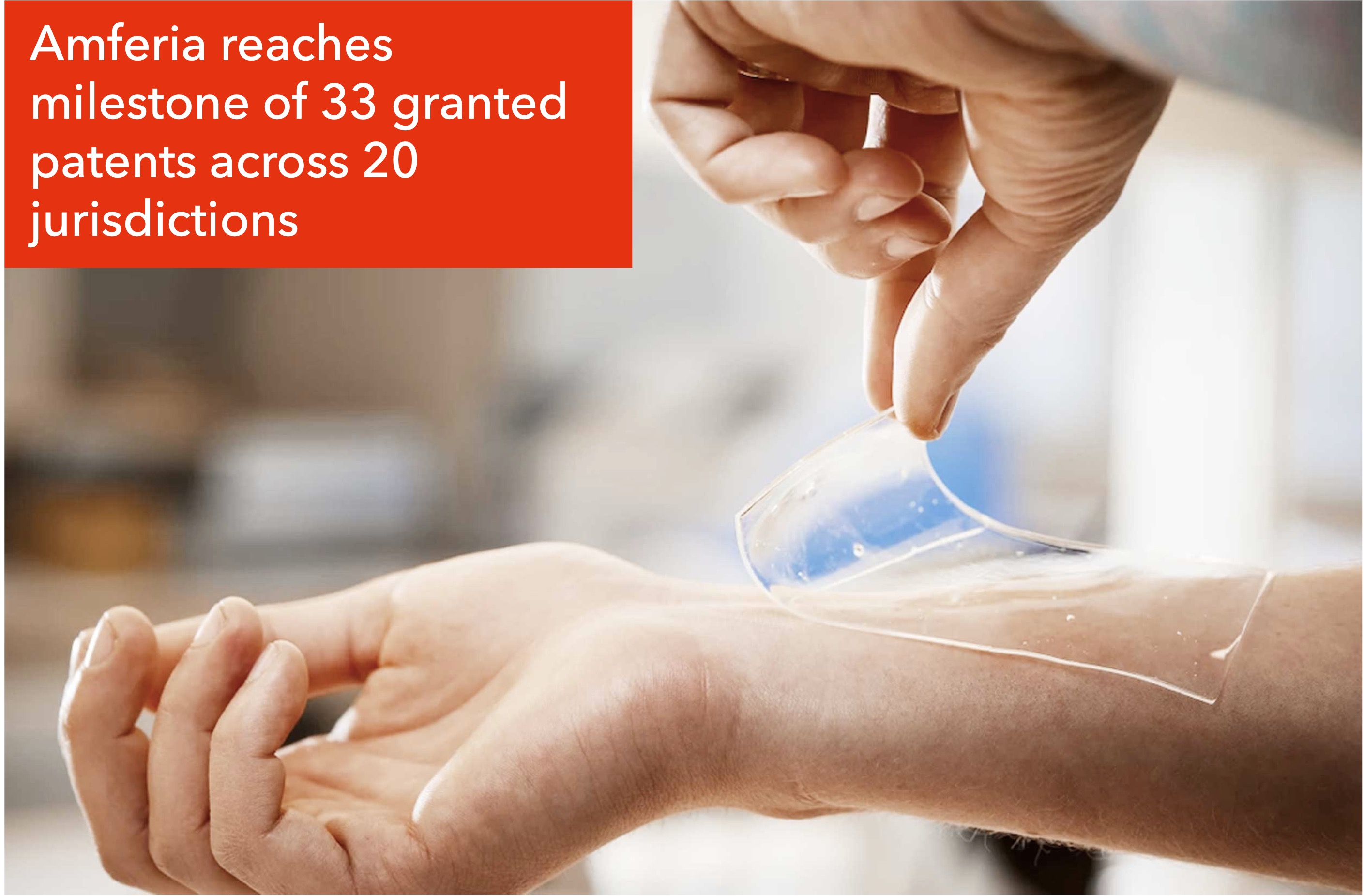
Amferia Reaches Milestone of 33 Granted Patents Across 20 Jurisdictions, Positioning the Company for Growth in the Antimicrobial Wound Care Market

June 29, 2026

From a single novel hydrogel patent filed in 2017 to a portfolio of 50 applications worldwide, Amferia’s IP strategy mirrors the depth and rigor of the science that earned the company an FDA DeNovo Classification—and signals a company built to compete at scale.

Amferia, today announced it has reached 33 granted patents across 20 jurisdictions globally, with a total portfolio of 50 patent applications representing four distinct technology families. The milestone reflects Amferia’s disciplined strategy for developing intellectual property as a core asset—which positions the company for commercial development following the granting of FDA approval in the De Novo Classification for their unique wound care product.

A foundational patent worth building on

Amferia first became interested in a patent strategy in 2017, when Anand Kumar Rajasekharan and Saba Atefyekta—then PhD researchers at Chalmers University of Technology in Gothenburg—teamed with Martin Andersson, their faculty adviser at the time, to conceive of a new class of antimicrobial material. Surprised by their discoveries, the team approached a patent attorney with a dataset and a question: what can we protect? The answer, it turned out, was something genuinely new.

The company’s first patent covered a hydrogel built around a specific nanostructure—one in which hydrophobic and hydrophilic regions alternate at the nanoscale with a remarkable lattice-like regularity. The repeating structure allows antimicrobial peptides to attach in a precise, aligned way that irregular hydrogels could not replicate. As the FDA De Novo Classification verifies, no other group had achieved the same results from the same materials. A broad patent was issued in every major jurisdiction the team pursued. (Canada remains pending, consistent with characteristically longer timelines.)

“Patents weren’t an afterthought with this team,” said David Henricson Briggs, the patent attorney who has worked with Amferia since its founding. “When they saw their scientific results, they started thinking about how they would build their patent strategy and very quickly got in touch to begin that process.”

That carefulness in building patent protections has significant business implications now.

Four families with future potential

Each subsequent patent family Amferia has been granted emerged not from incremental reformulations, but from genuine scientific surprise. The company’s portfolio now spans four distinct technology families:

Family 1: The Hydrogel Nanostructure. This patent covers Amferia’s foundational technology: an amphiphilic nanostructured hydrogel that binds antimicrobial peptides with exceptional stability. The hydrogel kills 99.99% of bacteria it comes in contact with and destroys even antibiotic-resistant strains of bacteria.

Family 2: Solid Biomaterial Structures. Developed concurrently with the original research, this family covers more rigid, implant-grade structures built from the same materials — extending the platform’s potential well beyond wound care dressings.

Family 3: Hemostatic Activity (blood coagulation). During pre-clinical testing of their antimicrobial wound dressing, the researchers at Amferia made another striking discovery: the antimicrobial peptide they used also promoted blood clotting. The family of patents protecting this discovery was granted in multiple jurisdictions and is pending in the US.

Family 4: Endotoxin Neutralization. The company’s most recent patent filings address a challenge inherent to any effective antimicrobial: when bacteria are killed in large numbers, they release endotoxins that can harm the body. Amferia found that its peptide neutralizes these endotoxins, further strengthening the product’s clinical case. Applications are filed globally; European grant is anticipated in the near term.

Quality over volume: a portfolio built to grow

Amferia’s patent strategy stands in deliberate contrast to the “shotgun” approach common among competitors with more capitalization, where volume of filings can substitute for depth of invention. Amferia’s patent filing represent inventive steps—genuinely new discoveries, as opposed to marginal changes in concentration or formulation.

“Amferia hasn’t had the resources to file 100 patents and drop 90 of them,” Henricson Briggs said. “What that means is their portfolio is a pleasure to work with. There’s a high level of inventiveness. We’re often saying, ‘Nobody has ever seen this before.’ They’ve been developing truly revolutionary things. Everything in their portfolio is valuable.”

The company’s disciplined approach also reflects organizational maturity unusual for a startup. Amferia consistently engages patent counsel early—before publication, before partnerships, before press—protecting discoveries at the moment of creation rather than racing to do it after the fact.

New IP in active development

With commercial development underway in both human and animal health—Amferia is actively seeking partners to address the opportunities that FDA approval has opened while partnered with several animal wound care companies for distributing veterinary products in Europe—Amferia is still developing new patents involving its core material and new products. This work demonstrates that the platform has potential to continue evolving.

‍

‍

Amferia Annual General Meeting (AGM) Appoints Global Healthcare Leaders Randy Schwartz and Nikolaj Sørensen to Board of Directors

June 25, 2026

‍

Amferia AB is pleased toannounce the appointment of two new board members, Randy Schwartz and NikolajSørensen, to help guide the company's next phase of global expansion. FollowingAmferia’s recent FDA De Novo approval, the company is actively preparing toaccelerate its commercial entry into the US market. The addition of these twoaccomplished leaders brings targeted expertise in wound care commercialization,advanced medical devices, and international life science strategy—providing apowerful foundation for Amferia's continued growth.

RandySchwartz is a senior healthcare executive and consultant with more than 40years of experience driving growth, innovation, and market leadership in themedical technology, wound care, and skin health industries. As Principal of MedMarket Consultants and GR Consulting Solutions, he advises start-up, emerging,and established healthcare companies on commercialization, market access,reimbursement, clinical strategy, business development, and global expansion.Previously, Randy held multiple executive leadership roles at Molnlycke HealthCare, including Global Vice President of Medical & Professional Affairs,Vice President of Marketing, and Global Marketing Director, where he helpedestablish the company as a global leader in advanced wound care. He hasextensive experience in strategic marketing, evidence development, productlaunches, M&A, and international market expansion, and currently serves onthe Board of the Wound Care Collaborative Community, an FDA-recognized collaborativecommunity focused on advancing innovation in wound care.

NikolajSørensen has established an impressive track record within the internationalpharmaceutical and healthcare sectors, holding premier leadership positionssuch as; Managing Director of Pfizer AB, Senior Management roles across PfizerInc., Management Consultant at the Boston Consulting Group, and presently servesas the President and CEO of Orexo AB. Today, he utilizes his deep expertise inglobal corporate strategy to serve on the boards of pioneering enterprises.Nikolaj’s extensive knowledge in pharmaceutical commercialization andinternational scaling will be important for Amferia’s scale-up journey in bothhuman and animal wound care.

TheAGM also chose to re-elect Agneta Edberg (chair), Professor Martin Andersson,Anders Husmark and Henrik Jansson.

Read full press release here

‍

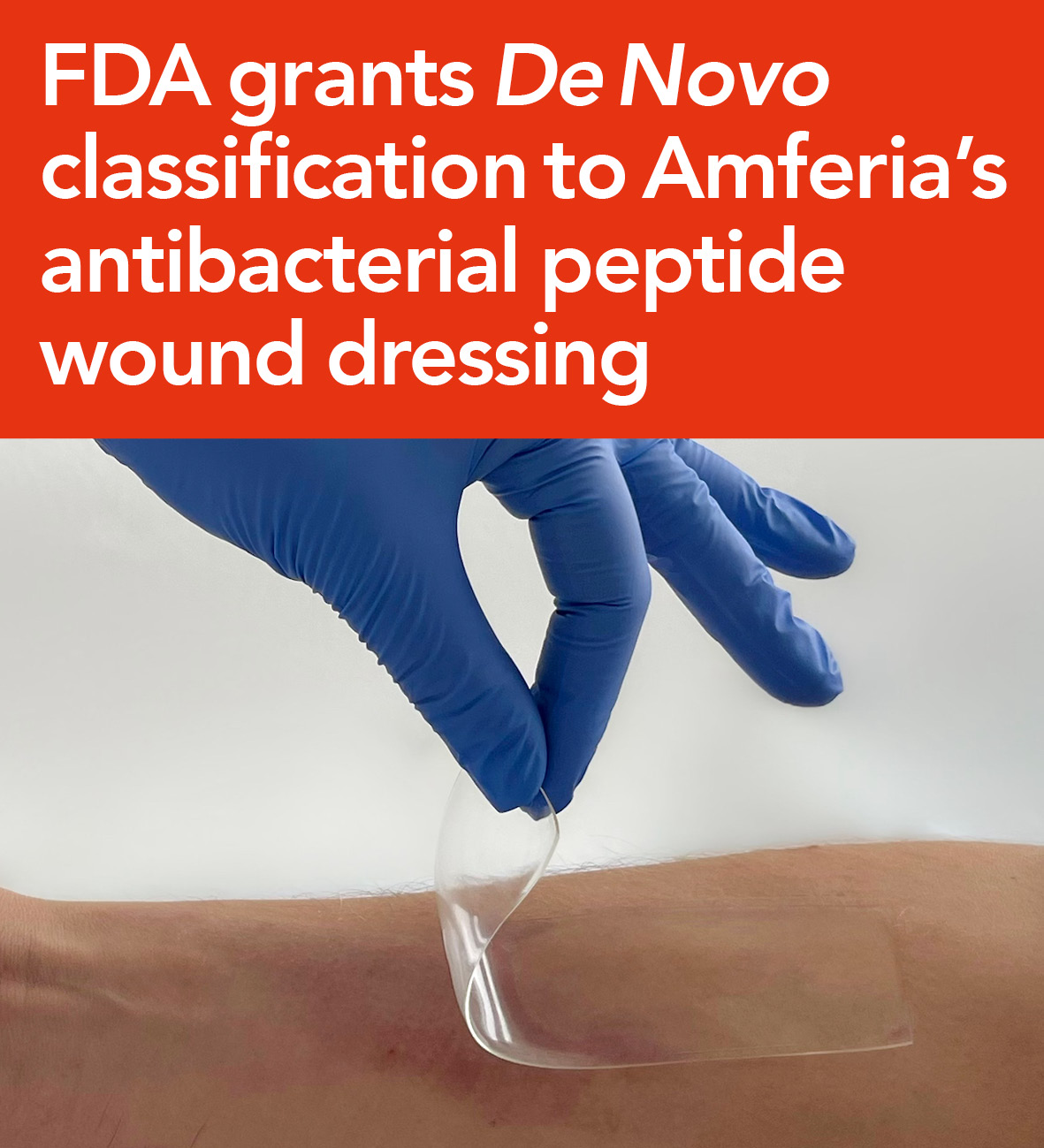
FDA Grants De Novo Classification to Market the World’s First Antibacterial Peptide-Based Wound Dressing

February 12, 2026

In granting the De Novo Classification Request, FDA allows Swedish medtech firm Amferia to market the first-ever wound care product featuring antibacterial peptides as the mechanism for fighting infection. The decision creates a new regulatory category for wound dressings in the U.S.

GOTHENBURG, SWEDEN—Amferia today announced that its antibacterial wound dressing has been granted approval by the U.S. Food and Drug Administration (FDA) through the De Novo Classification Request track, allowing Amferia to enter the U.S. market with a unique Class 2 medical device antibacterial dressing for advanced wound care.
‍

Amferia’s patented technology is a hydrogel permanently bonded with peptides, which kill pathogenic bacteria by drawing them close and physically puncturing their cell membranes. Even antibiotic-resistant bacteria cannot effectively resist this interaction.

To confirm the dressing’s efficacy and safety for FDA regulators, Amferia was obliged to demonstrate that their novel mode of action kills 99.99% of bacteria exposed to it—an FDA threshold—without releasing active substances into the wound or the body.

The FDA’s approval of Amferia’s innovation establishes a new regulatory category for wound dressings and enables a unique and powerful tool in the worldwide battle against wound infection.

“This approval validates years of scientific and regulatory work,” said Anand Rajasekharan, Amferia CEO & Co-Founder. “More importantly, it opens the door to safer, more sustainable ways to fight infection—at a time when the need for new antimicrobial strategies has never been greater.

“Bacterial infections are likely to surpass cancer and heart disease as a number one cause of human deaths in the future, and this is largely due to resistance to commonly used antibiotics. Our hydrogel technology enables the safe and stable use of antibacterial peptides, allowing them to effectively target bacteria without harming surrounding tissue.”

Studies on animal patients demonstrate that, in addition to effectively killing a broad spectrum of bacteria including antibiotic-resistant bacteria, Amferia dressings help support moist wound healing.

The FDA’s decision positions Amferia as a strategic partner for established wound care companies seeking next-generation antimicrobial solutions that align with evolving regulatory and safety expectations. With FDA approval secured, Amferia expects heightened interest from industry partners and plans to expand the application of its peptide-based technology beyond wound care over time.

A Deliberate, Data-Driven Path to Approval

Early engagement with the FDA made clear that Amferia’s wound dressing was too novel to be reviewed through the traditional 510(k) pathway, which compares new treatments to existing products and determines if they are substantially equivalent. Since no anti-bacterial peptide products currently exist on the U.S. market, the FDA pointed Amferia toward the De Novo classification pathway—designed for low-to-moderate risk devices that are new to the market but can be demonstrated safe and effective through clinical test results.

Amferia worked closely with FDA reviewers to generate an extensive body of evidence addressing questions of safety, effectiveness, and risk mitigation. Laboratory tests proved that Amferia’s wound dressings meet the FDA’s stringent requirement that wound dressings calling themselves anti-bacterial kill at least 99.99% of bacteria they are exposed to. Advanced chemical analyses proved that the peptides remain permanently bound to the hydrogel and do not leach into surrounding wound or tissue.

At several points, FDA feedback resulted in additional testing requests, including expanded bacterial strain panels and further in-vivo safety studies. Amferia responded point-by-point, generating new data and refining its submission. Throughout the process, the FDA did not challenge the underlying science of the technology, focusing instead on ensuring that the novel mechanism could be clearly understood, reproducibly tested, and safely regulated.

Read full press release here

‍

‍

Amferia Secures €3.5M Investment to Accelerate Breakthrough Antimicrobial Technology in Human and Animal Health

December 15, 2025

Amferia today announced the close of an oversubscribed €3.5 million investment round.

The new funding—led by both existing shareholders and several new investors prominent in global wound care—will accelerate clinical development in human health, scale Amferia’s growing animal-health business, and support commercialization of new products based on its proprietary antimicrobial peptide (AMP) hydrogel platform.

This investment follows a milestone year in which Amferia introduced Europe’s first veterinary wound dressing using antimicrobial peptides, launched in collaboration with leading animal-health partners, and advanced its U.S. regulatory pathway for human wound care.

Fueling Growth Across Human and Veterinary Medicine

According to Amferia CEO and co-founder Anand Rajasekharan, the new financing will help the company advance clinical development toward CE marking and FDA clearance for human health applications in Europe and the United States, as well as expand Amferia’s animal-health footprint in Europe, where the company has already secured commercial agreements with Orkla Wound Care AB and Biokema SA.

“This funding will allow us to continue battling antibiotic-resistant bacteria and speed wound recovery in both human and animal patients,” Rajasekharan said.

“Amferia aims to broaden the new tools we offer clinicians to fight infection and reduce unnecessary antibiotic use. We hope to scale manufacturing and commercialization of our anti-microbial wound-care solution pipeline and broaden the platform to include applications such as surgical materials, implant sterilization, and deep-wound sprays.”

Read the full press release here

Read the piece by the Swedish newspaper Dagens Industri here

‍

New Study finds Amferia's Peptide-Hydrogel restores the effectiveness of antibiotics against drug-resistant bacteria

November 25, 2024

‍

Amferia announced findings that antibiotic-resistant bacteria can regain its sensitivity to antibiotics when combined with the company’s peptide-hydrogel. Results of a collaboration between Chalmers University of Technology and Amferia show that antibiotics can have a 64 times higher bactericidal effect when used together with Amferia’s proprietary material, whose antibacterial properties are also greatly enhanced by this combination.

Peptides have long been known to possess potent antimicrobial properties, destroying bacteria by disrupting the integrity of cell membranes rather than by chemical processes. Until recently, the problem with applying peptides to medical needs like wound care has been their fragility. Peptides are easily destroyed by naturally occurring enzymes and salts in the body.  Amferia’s innovation is a hydrogel material that protects the peptides without compromising their bacteria-destroying structures.

In order for this material to be used clinically--in combination with standard treatments like antibiotics, for example—researchers had to ensure that the hydrogel does not negatively affect the antibiotic's effectiveness when used simultaneously.

The new findings demonstrate the peptide-hydrogel’s substantial potential for applications in various medical devices and infection treatments.

The study produced surprisingly positive results: when applied in concert with Amferia hydrogel, the effectiveness of antibiotics tested was elevated significantly. Drug synergism is defined as the combined effect of different drugs, where the resulting effect is greater than the sum of their individual effects. Chalmers researchers discovered exactly that synergism when using the peptide material and antibiotics together against certain antibiotic-resistant bacteria. This had not been shown before.

The peptide material was evaluated in combination with two different antibiotics, oxacillin and vancomycin. The bacteria involved in the trials were two types of staphylococci (S. aureus), one of which is resistant to multiple antibiotics.

The most powerful effect in the study was measured against the multi-resistant S. aureus. When the Amferia hydrogel was combined with oxacillin, an antibiotic to which S. aureus had developed a resistance, the combination of hydrogel and oxacillin lowered the effective concentration of oxacillin 64-fold compared to when the antibiotic was used alone. At concentrations below the level where bacteria are classified as resistant, oxacillin regained its effectiveness against the bacteria.

Read the full press release here

Read the full scientific article here

‍

Amferia Recognized on Ny Teknik’s “33-listan” for Second Consecutive Year

November 14, 2024

The significance of being on the list a second time highlights Amferia's continued growth and increasing market potential. It suggests that the company has not only managed to sustain its initial success but has also demonstrated the ability to expand and strengthen its position within the industry. Being recognized again reflects a track record of strong performance, innovation, or strategic decisions that make Amferia a promising company for future growth.

Being recognized a second-time by Ny Teknik’s 33-listan is a significant milestone for Amferia, underscoring our progress in bringing a critical, technology-driven healthcare innovation to market,” stated the Amferia team. “This achievement is also a testament to the collaboration and support from our clinical partners who have recognized the vital role our technology can play in addressing a global healthcare threat.”

Ny Teknik has been recognizing Sweden’s most innovative and promising tech companies through its “33-listan” since 2008.

Read the full coverage from Ny Teknik

‍

Amferia wins Red Dot Award for Innovative Design addressing bacterial infections and antibiotic resistance

November 11, 2024

‍

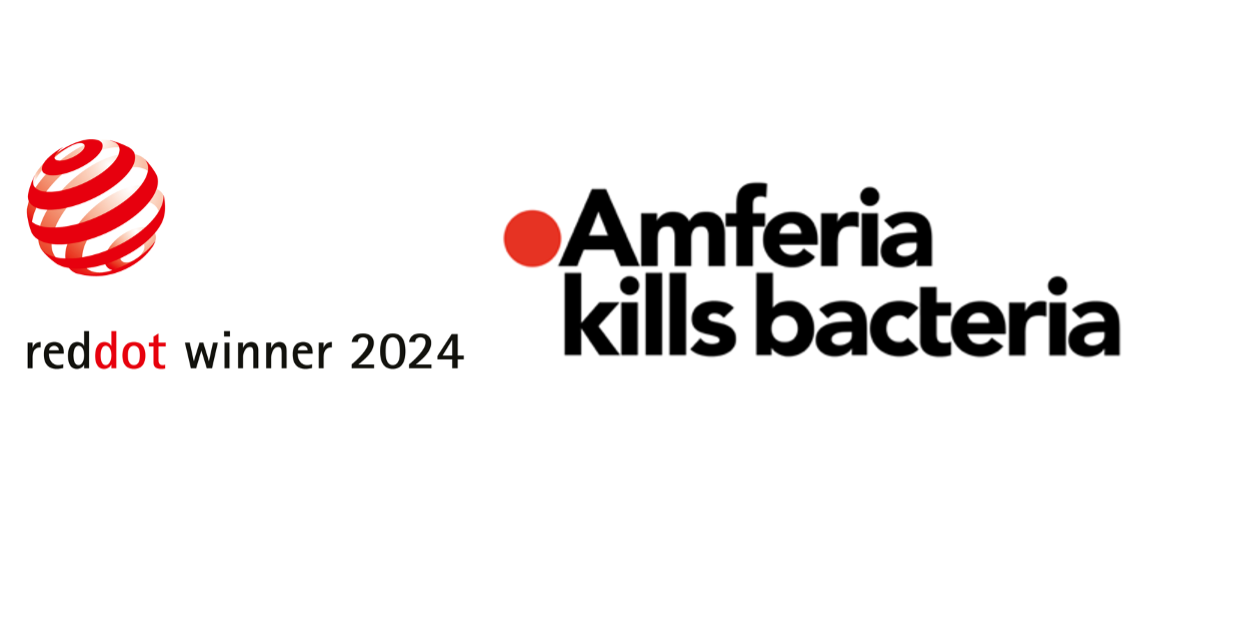
Amferia has been awarded the Red Dot Award for its elevator pitch logotype in the Brand & Communication Design category. The new logo describes the company’s innovation and purpose in three words: Amferia kills bacteria.

”The award highlights our commitment to addressing bacterial infections and antibiotic resistance. Amferia’s innovation contributes to the solution, but we also have to communicate that in an innovative way to reach a global audience.” says Anand Rajasekharan, CEO and co-founder of Amferia.

The Red Dot Award, established in 1955, honours outstanding achievements in product design, communication, and design concepts. The Brand & Communication Design category honors products and services demonstrating design excellence in areas such as communication, branding, advertising, and packaging.

"Our design philosophy effectively communicates our mission and, at the same time makes the public aware of a growing global problem.  Bacterial infections are likely to surpass cancer and heart disease as the number one cause of human deaths in the future, largely due to increasing bacterial resistance to commonly used antibiotics”, says Anand Rajasekharan.

Amferia’s technology enables for the first time the safe and stable use of antimicrobial peptides, allowing them to kill bacteria—even resistant strains—without harming the surrounding body cells.

“We are essentially mimicking the body’s own immune system to fight infections in wounds to reduce the unnecessary use of antibiotics," says Anand Rajasekharan

To add a sense of urgency to the logo, we chose a red dot as a symbol. It’s widely recognised as a stop symbol signal and also reminds physicians and surgeons about round microscopic photos of dead bacteria. For them, the red colour indicates dead bacteria”, says Anders Eklind, Amferia’s art director.

Amferia kills bacteria – the technology
Antimicrobial peptides are known for their ability to kill bacteria due to their positive electrostatic charge, which attracts the negatively charged bacteria. This allows peptides to puncture bacterial membranes and destroy the cells. However, their fragility in biological environments has been a major challenge to developing peptides as a viable treatment—naturally occurring enzymes in the human body can destroy them within seconds.

Amferia's patented hydrogel platform addresses this challenge for the first time by encasing the peptides in a solid protective gel. This design shields the vulnerable facets of peptides from natural enzymes while allowing their bacteria-killing structures to remain exposed and active. The hydrogel is then applied to wounds with topical dressings, meaning it is a medical device, which reduces the time for clinical studies.

Amferia design team – Red Dot:

Account managers: Anand Rajasekharan, Saba Atefyekta

Design: Anders Eklind, Björn Engström, Jonas Cederolm

Read more about the award here

About Red Dot Design Award

The origins of the Red Dot Design Award date back to 1955. Its distinction, the Red Dot, is established internationally as one of the most sought-after quality marks for good design. From products, brand communication and creative projects to design concepts and prototypes, the Red Dot Award documents the most prominent trends worldwide. The award-winning designs are showcased in exhibitions around the globe and in the Red Dot Design Museums in Essen, Singapore and Xiamen as well as in yearbooks and online.

‍

Amferia awarded the Chalmers impact award 2024

November 7, 2024

The Chalmers Impact Award this year goes to the company Amferia, founded by Professor Martin Andersson and his former doctoral students Saba Atefyekta and Anand Kumar Rajasehkaran. After discovering that Anand Kumar Rajasehkaran's research on synthetic bones could be combined with Saba Atefyekta's work on antibacterial peptides, the work began. Together with Martin Andersson's extensive experience in materials research, the team started developing methods to apply the antibacterial substances to various surfaces, such as plasters.

"The aim was to develop new materials that can prevent infections without using antibiotics, thereby reducing the risk of bacteria developing antibiotic resistance," says Martin Andersson.

Read the full interview here

About the Chalmers Impact Award

Chalmers impact award is intended to encourage researchers to actively work with utilization of their research for societal impact and to make these efforts visible within both academia and society in general.

Amferia closes €1,2 million investment to combat resistant bacterial infections

September 6, 2024

Amferia announces the successful completion of its latest investment round, boosting its mission to combat wound infections. During 2024, Amferia has signed important commercial agreements with leading animal health companies in Europe for commercialization of the company’s proprietary technology — a wound dressing for animals that also kills resistant bacteria.

The round was over prescribed and spearheaded by existing owners and new investors. The funding will support the advancement of clinical development within Human Health and further the commercialization of Amferia’s pipeline built on its proprietary platform, designed to protect and utilize antimicrobial peptides to combat bacterial infections. Amferia has already entered the animal health segment and signed commercial agreements with leading animal health companies in Europe such as Orkla Wound Care AB and Biokema SA, to introduce a wound dressing that also kills resistant bacteria.

"Bacterial infections are likely to surpass cancer and heart disease as a number one cause of human deaths in the future, and this is largely due to resistance to commonly used antibiotics. Our hydrogel technology enables the safe and stable use of antimicrobial peptides, allowing them to effectively target bacteria without harming surrounding tissue. Essentially, we are using antimicrobial peptides to mimic the immune system and reduce the unnecessary use for antibiotics," says Anand Rajasekharan, CEO and co-founder of Amferia. “Antibiotics are absolutely essential. Without them, we cannot survive. We aim to support the existing arsenal against bacteria. We need a support system for antibiotics and antimicrobials. Our technology is not about replacing antibiotics but helping healthcare professionals use them more effectively,”

“I am very grateful to our owners for investing in Amferia and in our vision of reducing resistant antimicrobial infections globally. I want to say a big thank you to our existing owners for your continued support as well as welcoming our new investors. We look forward to building the future together.” says Agneta Edberg, chairman of Amferia. “Amferia's first product using our proprietary technology platform is a wound dressing for Animal Health, offering a new solution for treating wounds and preventing infections in veterinary applications. The company aims to launch further products soon, using our platform in Human Health to provide new treatments for patients at risk of skin and wound infections, also resistant, which makes our technology part of the future solutions.”

Antimicrobial peptides are known for their ability to kill bacteria due to their positive electrostatic charge, which attracts the negatively charged bacteria. This allows the peptides to puncture bacterial membranes and destroy the cells. However, their fragility in natural biological environments has been a major challenge, as enzymes in the human body can destroy these peptides within seconds. Amferia’s hydrogel is a flexible solution that can be adapted to applications where killing bacteria is critical—with the added advantage that it kills even resistant bacteria.

Amferia's patented hydrogel platform addresses this challenge by encasing the peptides in a solid gel, keeping them stable. This design protects the peptides from natural enzymes, allowing their bacteria-killing structures to remain active. The hydrogel is applied in wound dressings, meaning it does not have to be ingested, reducing the need for time-consuming clinical trials.

Thank you! Your message has been received. Talk to you soon!
Oh no! Something went wrong while submitting the form. Please try again.